Why the 2026 Academic Daily Planner Is the Smartest Study Tool You’ll Use This Year
Let’s be honest: juggling classes, assignments, group projects, part-time jobs, and personal life doesn’t get easier just because it’s a new year. But what *does* change is your ability to take control—starting with the right tool. The 2026 Academic Daily Planner isn’t just another notebook with pretty fonts. It’s a thoughtfully engineered system built for how students actually live, learn, and evolve in 2026.
More Than Just Dates—It’s Your Academic Operating System
Most planners assume you’ll adapt to them. The 2026 Academic Daily Planner flips that script. From day one, it meets students where they are—whether you’re a high school senior prepping for college applications, a first-year undergrad navigating lecture overload, or a grad student balancing research, teaching, and deadlines.
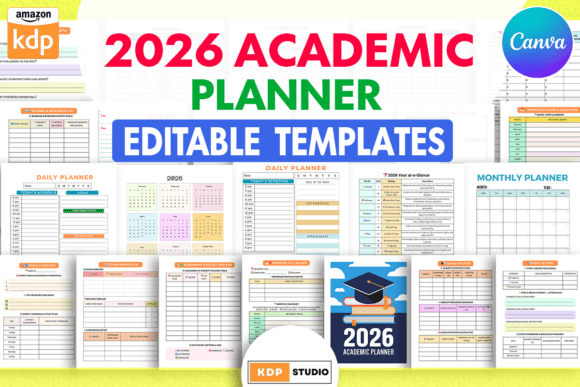
Its 120-page structure isn’t arbitrary. Every section serves a specific cognitive or logistical function—designed to reduce decision fatigue, prevent last-minute panic, and reinforce consistency without rigidity. Think of it as your academic OS: intuitive, upgradable (thanks to those 15 editable Canva pages), and deeply customizable.
Start Broad, Then Zoom In—The Power of Layered Planning
Ever opened a planner and felt paralyzed by blank space? That’s why the 2026 Academic Daily Planner begins with perspective—not pressure.
- Year-at-a-Glance Calendar: Not just holidays and weekends—but key academic anchors: registration windows, add/drop deadlines, finals week dates, internship application cutoffs, even campus event calendars. You see your entire year as terrain, not just tasks.
- Semester-at-a-Glance Pages: Here’s where strategy kicks in. Map out midterms, major paper due dates, lab report cycles, and even self-imposed milestones like “finish literature review draft” or “schedule thesis advisor meeting.” Visualizing semester arcs helps you spot overlapping crunch times—and build buffer weeks before they’re needed.
- Monthly Planners: These aren’t glorified to-do lists. Each month includes dedicated space for goals (academic + personal), recurring commitments (e.g., tutoring hours, club meetings), and a “priority spotlight”—a single outcome you’ll protect no matter what.
This layered approach mirrors how effective learners think: big-picture awareness first, then tactical execution. It also prevents the common trap of overloading daily pages while ignoring longer-term rhythms.
Daily Structure That Works With Your Brain—Not Against It
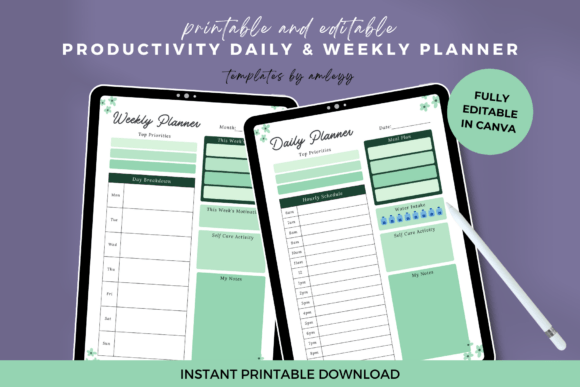
The 2026 Academic Daily Planner includes time-blocked daily layouts from 6 AM to 8 PM—yes, including early mornings and evening study blocks. Why? Because student schedules vary wildly. Some thrive at dawn; others hit peak focus after 9 PM. This planner respects that diversity.
Each daily spread features:
- A clear “Top 3 Priorities” section—forcing intentionality instead of reactive task-checking.
- Class-by-class breakdowns with space for quick notes, questions to ask, or follow-ups from lectures.
- Separate columns for calls, emails, and appointments—so administrative work doesn’t bleed into study time.
- A “Progress Pulse” line at the bottom: a simple checkbox or emoji-based reflection on energy, focus, or mood. Not fluff—it’s data. Spot patterns like “low retention after back-to-back Zoom lectures” or “higher output on days with morning movement.”
This isn’t about rigid scheduling. It’s about creating gentle guardrails so your most important work gets protected time—even when motivation dips.
Where Other Planners Fall Short—And How This One Closes the Gaps
Generic planners often miss academic-specific friction points. The 2026 Academic Daily Planner anticipates them:
- Assignment & Project Tracker: Log more than due dates. Track subject, format (essay, presentation, code repo), current status (“draft started,” “peer feedback received”), and even a “blocker” column (“waiting on professor’s syllabus revision”). Real-time visibility = fewer surprises.
- Exam Prep Sheets: No vague “study biology.” Instead: break topics into subtopics, assign confidence ratings (1–5), schedule spaced repetition sessions, and note resource types (flashcards, practice exams, office hours). Turns overwhelm into actionable steps.
- Grade Trackers: Input assignment weights, actual scores, and calculate running GPA—for up to four courses. Especially powerful for students on academic probation or aiming for honors distinctions. Seeing how one quiz affects your final grade isn’t stressful—it’s empowering.
These tools don’t just track progress—they teach metacognition. You begin noticing *how* you learn best, where you stall, and what support systems move the needle.
Customization Without Compromise
That’s where the 15 editable Canva pages shine. Need a dedicated page for lab notebook templates? Add it. Want a habit tracker for consistent reading or language practice? Build it. Running a student organization? Design a meeting agenda + action item log.
This flexibility means the 2026 Academic Daily Planner grows with you—not the other way around. A freshman might lean heavily on weekly class trackers; a senior might repurpose pages for job search timelines or grad school application checklists. No re-buying. No wasted pages.
Real-World Fit: How Students Are Using It Right Now
In beta testing across five universities, students reported tangible shifts:
- A nursing student reduced missed clinical prep tasks by 70% using the daily time blocks and “priority spotlight” monthly feature.
- An engineering major used the Exam Prep Sheets to identify weak areas in thermodynamics two weeks before finals—then targeted practice raised his exam score by 14 points.
- A non-traditional student balancing night classes and childcare scheduled “protected study blocks” around her child’s nap times—and completed her associate degree a semester early.
None of these wins came from working harder. They came from working *clearer*—with a tool calibrated for real-life complexity.
Making the Switch: What to Consider Before You Begin
If you’re used to digital tools, know this: the 2026 Academic Daily Planner thrives in analog simplicity—but bridges both worlds. You can scan handwritten notes into apps like Notion or OneNote. Or use the Canva pages to design digital dashboards synced to your calendar.
Consider your workflow style:
- If you love color-coding: The clean layout leaves room for highlighters, washi tape, or colored pens—no visual clutter.
- If you prefer minimalism: The uncluttered design avoids decorative distractions. Function leads form.
- If you’re prone to abandoning planners: Start small. Use just the Semester-at-a-Glance and one Weekly Overview for Week 1. Build momentum—not perfection.
And remember: the goal isn’t flawless tracking. It’s building a reliable rhythm—one that adapts when life throws curveballs (and it will).
Your Academic Year Starts With Intention—Not Inventory
You don’t need more motivation. You need better infrastructure. The 2026 Academic Daily Planner delivers exactly that: structure with soul, clarity with compassion, and planning power that scales with your growth.
It won’t write your essays or ace your exams. But it will help you show up consistently, recover faster from setbacks, and recognize your own progress—even on days when “done” feels invisible.
Because mastering your academic year isn’t about doing everything. It’s about doing what matters—clearly, calmly, and completely.