Family Budget Planner or Journal: A Practical Tool for Financial Organization
In today’s fast-paced world, managing family finances can feel overwhelming. Whether you're a working parent, a small business owner, or someone juggling multiple responsibilities, having a clear and organized approach to budgeting is essential. That’s where a Family Budget Planner or Journal comes in. This comprehensive tool offers a structured way to track income, expenses, savings, and financial goals, making it an invaluable asset for families looking to gain control over their money.
What Is a Family Budget Planner or Journal?
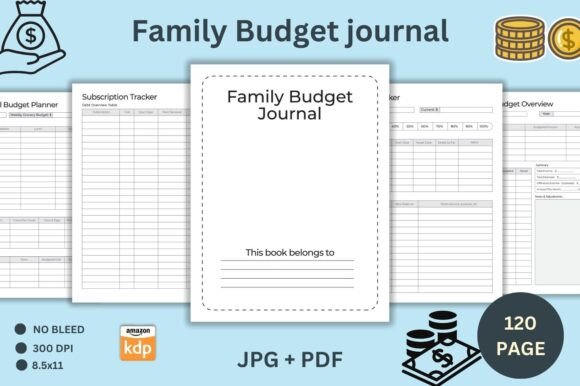
A Family Budget Planner or Journal is more than just a notebook—it's a personalized financial management system designed to help families track spending, set goals, and make informed decisions. It typically includes customizable pages for various aspects of financial planning, such as monthly budgets, expense logs, savings trackers, and debt management. With its 128-page interior and high-resolution print-ready format, this planner is ideal for both digital and physical use, offering flexibility and ease of customization.
Where Does the Family Budget Planner Fit In?
The Family Budget Planner or Journal serves as a central hub for all things related to financial planning. It fits seamlessly into a broader process of personal and family finance management, acting as a bridge between long-term goals and daily spending habits. For example, it can be used before major purchases to assess affordability, during a project to allocate funds effectively, or after a decision to evaluate outcomes and adjust strategies accordingly.
Whether you're preparing for a vacation, launching a new business, or simply trying to save for a rainy day, the Family Budget Planner or Journal provides a clear framework for tracking progress and staying on course. Its structured layout makes it easy to integrate into existing workflows, whether you're using budgeting apps, spreadsheets, or traditional methods.
Key Features and Pages Included
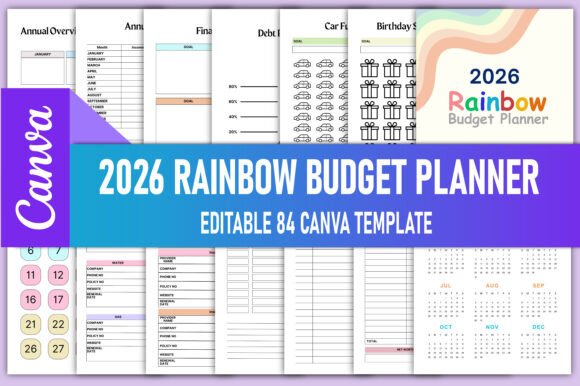
The Family Budget Planner or Journal is packed with features tailored to meet the needs of modern families. Here are some of the key sections included:
- Intro Page: A brief overview of how to get started with the planner.
- Annual Financial Goals Worksheet: Helps set long-term objectives like saving for education, retirement, or a home purchase.
- Monthly Budget Overview: Detailed pages for tracking income, fixed expenses, variable costs, and discretionary spending.
- Weekly Spending Log: A flexible tracker for daily expenses, allowing for real-time adjustments.
- Bill Payment Tracker: Keeps tabs on recurring bills and due dates to avoid late fees.
- Debt Tracker: A dedicated section for managing credit card balances, loans, and other debts.
- Savings Tracker: Encourages consistent saving through goal-based tracking.
- Emergency Fund Tracker: Ensures families are prepared for unexpected expenses.
- Grocery and Meal Budget Planner: Helps manage food costs and meal planning efficiently.
- Subscription Tracker: Tracks recurring subscriptions to identify potential cost savings.
- Family Financial Reflection: Prompts for regular reviews and insights to improve financial habits.
Each page is designed to be user-friendly and adaptable, ensuring that every member of the family can contribute and benefit from the planning process.
How to Use the Family Budget Planner in Practice
Using the Family Budget Planner or Journal effectively requires a combination of preparation, consistency, and adaptability. Here are some practical tips for integrating it into your routine:
- Set Clear Goals: Start by defining short-term and long-term financial goals. Use the annual goals worksheet to outline what you want to achieve within the year.
- Track Income and Expenses: Regularly update your monthly budget overview to ensure you’re aware of where your money is going.
- Review Weekly Spending: Use the weekly log to identify patterns and areas where you can cut back or adjust spending.
- Stay on Top of Bills: The bill payment tracker helps prevent late fees and ensures timely payments.
- Manage Debt Strategically: The debt tracker allows you to prioritize which debts to pay off first and monitor progress.
- Build Savings Consistently: The savings tracker encourages regular contributions, helping you reach financial milestones.
- Plan for Emergencies: Set aside a portion of your income each month to build an emergency fund, using the designated tracker to stay on track.
- Monitor Subscriptions: Review your subscriptions regularly to eliminate unnecessary expenses and optimize spending.
- Reflect and Adjust: Use the family financial reflection pages to assess your progress and make necessary adjustments to your plan.
By following these steps, you can create a sustainable financial management system that adapts to your changing needs and supports your family’s financial well-being.
Integrating the Planner with Other Tools
The Family Budget Planner or Journal works best when integrated with other financial tools and resources. For instance, it can complement budgeting apps like Mint or YNAB (You Need A Budget) by providing a tangible record of your financial activities. It also pairs well with spreadsheet programs like Excel or Google Sheets, allowing for data export and analysis.
Additionally, the planner can be used alongside financial education resources, such as books on personal finance or online courses on budgeting. By combining these tools, families can develop a more comprehensive understanding of their financial situation and make informed decisions.
Why Choose a Physical Planner Over Digital Tools?
While digital budgeting tools offer convenience and automation, a physical Family Budget Planner or Journal has its own unique advantages. It provides a tactile experience that many find more engaging and easier to follow. Writing down expenses and goals manually can enhance memory retention and encourage a more mindful approach to spending.
Moreover, a physical planner is less susceptible to technical issues, such as app crashes or software updates, making it a reliable choice for families who prefer a no-tech solution. It also allows for customization, enabling users to add notes, stickers, or reminders directly in the pages.
Customization and Flexibility
One of the standout features of the Family Budget Planner or Journal is its high degree of customization. With 128 pages, there is ample space to tailor the planner to your specific needs. You can add personal notes, color-code categories, or even include family photos to make the planner more engaging for everyone involved.
This flexibility ensures that the planner can grow with your family’s financial journey. As your goals evolve, so can your planner, making it a long-term investment in your financial health.
Conclusion
The Family Budget Planner or Journal is more than just a notebook—it’s a powerful tool for achieving financial stability and clarity. By incorporating it into your routine, you can take control of your finances, set meaningful goals, and make informed decisions that benefit your entire family. Whether you’re a busy professional, a small business owner, or simply someone looking to improve your financial habits, this planner offers the structure and support needed to succeed.