Developing Educational Thinking Skills for Kids: A Fun and Engaging Approach
Children are naturally curious, and their early years are the perfect time to nurture their cognitive abilities. Educational thinking skills play a vital role in shaping how kids learn, problem-solve, and interact with the world around them. These skills help children explore, understand, and apply knowledge in meaningful ways. One innovative way to foster these skills is through story-based learning, which makes education both enjoyable and effective.
What Are Educational Thinking Skills?
Educational thinking skills refer to the mental processes that allow children to analyze, reason, and solve problems. These include critical thinking, logical reasoning, creativity, and comprehension. Unlike rote memorization, these skills encourage children to think deeply, make connections, and apply what they've learned in real-life situations.
For example, when a child learns about shapes through a story, they're not just recognizing circles or squares—they're also understanding how these shapes can be found in everyday objects, like wheels or traffic signs. This kind of learning builds foundational thinking skills that support future academic success.
The Power of Story-Based Learning
Stories have long been a powerful tool for teaching and learning. They engage children's imaginations, provide context, and make abstract concepts more relatable. When used as a medium for educational thinking skills, stories become an interactive way to teach complex ideas in a simple and engaging manner.
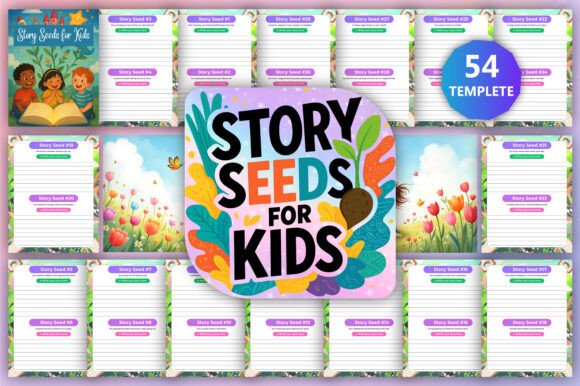
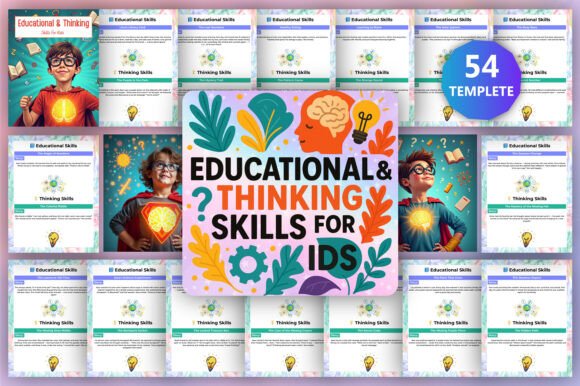
One excellent resource for this approach is the “Educational Thinking Skills for Kids” planner, which features 50 pages of short, illustrated stories designed specifically for children aged 4–8. Each page includes two creative stories—one focused on academic learning and one on logical thinking—making it a versatile tool for both home and classroom use.
Key Features of the Planner
- Real-World Learning Topics: Stories cover essential subjects like numbers, time, shapes, seasons, and science, all presented in an easy-to-understand format.
- Thinking Skills Challenges: Each page includes fun riddles, mysteries, and clues to stimulate problem-solving and logical reasoning.
- Kid-Friendly Format: Short, easy-to-read stories are ideal for daily engagement and classroom activities.
- 50 Unique Story Pages: With one educational and one thinking skill story per page, the planner offers 100 short, impactful stories in total.
- Encourages Drawing and Reflection: Ample space is provided for drawing or writing, reinforcing comprehension and imagination.
- Perfect for Homeschooling and Classrooms: The planner is a valuable resource for teachers, parents, and child development professionals.
Why Critical Thinking Matters for Kids
Critical thinking is the ability to evaluate information, ask questions, and form reasoned judgments. It's a skill that benefits children across all areas of life, from schoolwork to social interactions. Teaching critical thinking early helps children become independent learners who can navigate challenges with confidence.
For instance, when a child reads a story about a character solving a mystery, they're not only enjoying the plot—they're also practicing deduction, observation, and inference. These are all essential components of critical thinking that can be applied in various contexts, such as math problems, science experiments, or even everyday decision-making.
How Storytelling Enhances Learning
Storytelling provides a structured yet flexible framework for learning. It allows children to visualize concepts, relate to characters, and follow a narrative that guides their understanding. This method is particularly effective for young learners who may struggle with traditional teaching methods.
Moreover, storytelling encourages emotional engagement, which enhances memory retention. When children connect with a story emotionally, they're more likely to remember the lessons it teaches. For example, a story about a character learning to share can help children understand the value of cooperation and empathy.
Practical Applications in Daily Life
Developing educational thinking skills isn't just about academic success—it's also about preparing children for the real world. These skills help kids navigate challenges, make informed decisions, and adapt to new situations. Here are a few practical applications:
- Problem-Solving: Children learn to break down problems into smaller parts and find solutions.
- Decision-Making: They develop the ability to weigh options and choose the best course of action.
- Communication: Storytelling helps children express their thoughts clearly and listen actively.
- Creativity: Encouraging imaginative thinking fosters innovation and originality.
Common Misconceptions About Thinking Skills
Some people believe that thinking skills are only relevant for older children or those in advanced education. However, the foundation for these skills begins in early childhood. Even young children can benefit from activities that promote critical thinking, such as puzzles, games, and storytelling.
Another common misconception is that thinking skills are innate and cannot be developed. In reality, these skills can be nurtured through consistent practice and exposure to diverse learning experiences. By incorporating story-based learning into daily routines, parents and educators can help children build strong thinking skills from an early age.
How to Incorporate Story-Based Learning at Home
Parents can easily integrate story-based learning into their children's routine by using resources like the “Educational Thinking Skills for Kids” planner. Here are some tips for getting started:
- Read Together: Choose stories that align with your child's interests and read them aloud. Ask open-ended questions to encourage discussion.
- Use Visual Aids: Incorporate illustrations and drawings to enhance comprehension and engagement.
- Encourage Reflection: Provide opportunities for your child to draw or write about the story, reinforcing what they've learned.
- Make It Interactive: Use role-play or hands-on activities to bring the story to life and deepen understanding.
Conclusion: Fostering Lifelong Learners
Developing educational thinking skills is an investment in a child's future. By using engaging tools like the “Educational Thinking Skills for Kids” planner, parents and educators can create a supportive environment where children feel confident, curious, and capable. Through story-based learning, children not only gain knowledge but also develop the critical thinking skills necessary for lifelong success.
Whether you're homeschooling, teaching in a classroom, or simply looking for ways to enrich your child's learning experience, story-based education offers a fun and effective way to nurture young minds. Start today and watch your child grow into a thoughtful, creative, and independent learner.
Download the Educational Thinking Skills for Kids Planner