Printable Trauma Processing Workbook KDP: A Powerful Tool for Healing and Self-Discovery
In today's fast-paced world, emotional well-being has become a critical focus for many individuals. Trauma, whether from past experiences or ongoing stressors, can deeply impact one's mental health and daily functioning. For those seeking to process their trauma in a structured and supportive way, the Printable Trauma Processing Workbook KDP offers a comprehensive resource tailored to guide users through self-reflection, emotional regulation, and inner healing.
What Makes the Printable Trauma Processing Workbook KDP Unique?
The Printable Trauma Processing Workbook KDP is more than just a collection of pages—it’s a carefully designed tool that supports individuals at every stage of their healing journey. With its user-friendly layout and thoughtfully crafted exercises, this workbook serves as both a personal journal and a therapeutic companion. It includes features such as guided prompts, reflection questions, and space for tracking progress, making it ideal for both self-guided healing and use in conjunction with therapy.
Key Features of the Workbook
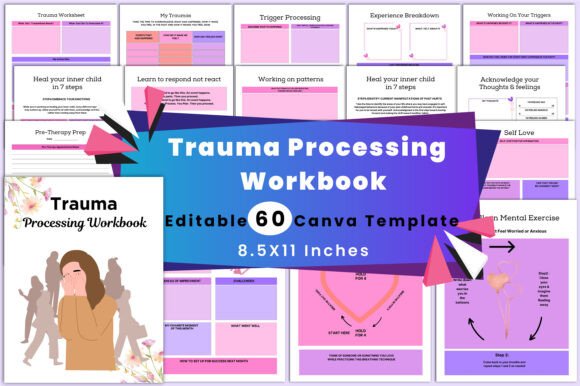
- My Traumas: This section provides a safe space to document and explore past traumatic experiences. Users can write about what happened, how they felt, and how these events have shaped their current life.
- Trauma Worksheet: Designed to help users identify patterns, triggers, and underlying emotions tied to their trauma. This worksheet encourages deeper insight and understanding.
- Working On Your Triggers: This section helps users recognize and manage their emotional triggers effectively. Through guided exercises, individuals learn to respond rather than react to stressful situations.
- Heal Your Inner Child in 7 Steps: Trauma often affects our inner child—the part of us that is vulnerable and sensitive. This unique section walks users through a seven-step process to reconnect with and heal this part of themselves.
- Trigger Coping Cards: These cards offer quick, accessible tools for managing emotional distress. They can be used during moments of high anxiety or when a trigger arises unexpectedly.
- Daily Reflection: A daily journaling section where users can track their thoughts, feelings, and progress over time. This helps build awareness and consistency in the healing process.
- Weekly Self Care: Encourages users to prioritize self-care routines that support emotional well-being. This includes activities like mindfulness, exercise, and creative expression.
- Anger Management: Offers strategies for identifying and managing anger in a healthy way. This is especially beneficial for those who struggle with explosive emotions or frequent frustration.
- Medication Tracker: For individuals using medication as part of their treatment plan, this section helps keep track of dosages, side effects, and appointments with healthcare professionals.
- Therapy Progress Notes: Allows users to document their therapy sessions, goals, and progress. This can be a valuable tool for both the individual and their therapist.
- Self Blame, Self Acceptance, and Self Compassion: These sections are crucial for fostering a positive relationship with oneself. They encourage users to challenge negative self-talk and cultivate self-compassion.
How the Workbook Supports Emotional Recovery
Emotional recovery is not a linear process. It involves cycles of setbacks and breakthroughs, and the Printable Trauma Processing Workbook KDP is built to accommodate this complexity. By providing a consistent framework for self-reflection and growth, the workbook empowers users to take control of their healing journey. Each page is designed to gently guide the user toward greater self-awareness and emotional resilience.
One of the most powerful aspects of the workbook is its emphasis on self-compassion. Many individuals who experience trauma struggle with feelings of shame, guilt, or unworthiness. The workbook addresses these challenges directly, offering exercises that help users reframe their self-perception and build a stronger sense of self-worth.
Additionally, the inclusion of trigger processing exercises allows users to explore the root causes of their emotional responses. This can be particularly helpful for those who feel overwhelmed by certain situations or memories. By understanding the connection between past experiences and current reactions, users can begin to break free from harmful patterns and develop healthier coping mechanisms.
Who Can Benefit from the Workbook?
The Printable Trauma Processing Workbook KDP is suitable for a wide range of individuals, including:
- Those who have experienced childhood trauma, abuse, or neglect.
- Individuals dealing with PTSD, anxiety, or depression.
- People who are working with a therapist and need additional support between sessions.
- Anyone interested in exploring their emotional history and promoting self-healing.
- Those looking to improve their emotional regulation and build resilience.
Whether you're in therapy or taking a proactive approach to your mental health, this workbook can serve as a valuable resource. Its structured format makes it easy to integrate into daily routines, ensuring that healing becomes a consistent and manageable process.
Why Choose the Printable Trauma Processing Workbook KDP?
When choosing a trauma processing tool, it's important to consider factors such as usability, accessibility, and effectiveness. The Printable Trauma Processing Workbook KDP stands out for its thoughtful design and practical approach. Unlike generic journals, this workbook is specifically tailored to address the complex needs of trauma survivors.
Its versatility is another key advantage. Whether you're using it for personal growth, as part of a therapy program, or simply to gain a better understanding of your emotional landscape, the workbook adapts to your unique needs. The inclusion of printable pages also makes it convenient for those who prefer physical copies or digital formats.
Furthermore, the workbook fosters a sense of empowerment. By encouraging self-reflection and self-compassion, it helps users reclaim their narrative and build a stronger, more resilient sense of self. This is essential for long-term healing and emotional well-being.
Getting Started with the Workbook
Starting your healing journey with the Printable Trauma Processing Workbook KDP is simple. Begin by selecting a section that resonates with you—whether it's exploring your traumas, working through triggers, or practicing self-compassion. Set aside a few minutes each day to engage with the exercises, and allow yourself to move at your own pace.
It's important to remember that healing is a process, and there will be days when progress feels slow or even stagnant. That’s okay. The workbook is designed to support you through every step of the journey, no matter how challenging it may be.
As you continue to work through the pages, you’ll likely find that your understanding of yourself deepens. You may discover new insights about your emotional patterns, uncover hidden fears, or develop a stronger connection with your inner child. These are all signs of growth and healing.
Conclusion
The Printable Trauma Processing Workbook KDP is more than just a journal—it's a transformative tool for emotional recovery. With its structured yet flexible design, it offers a safe and supportive space for individuals to explore their trauma, build self-awareness, and cultivate resilience. Whether you're working with a therapist or embarking on a self-guided healing journey, this workbook can be a powerful ally in your path to recovery.