Mastering Your Garden with the Garden Planner Overview
The Garden Planner Overview is more than just a tool—it’s a strategic framework designed to transform how you approach gardening. Whether you're an experienced gardener or just starting out, this planner offers a structured way to plan, track, and refine your gardening efforts throughout the year. By integrating planning, tracking, and analysis into one cohesive system, the Garden Planner Overview empowers gardeners to make informed decisions, optimize resource use, and achieve consistent results.
Why the Garden Planner Overview Matters for Strategic Gardening
At its core, the Garden Planner Overview is about intentionality. It provides a clear roadmap for managing all aspects of your garden, from selecting the right plants to monitoring their growth and harvesting them at peak times. This level of organization is especially valuable for those who want to maximize yield, reduce waste, and maintain a sustainable garden over time.
One of the key advantages of using the Garden Planner Overview is that it allows you to align your gardening activities with your broader goals. For instance, if you’re aiming to grow enough vegetables for your family, the planner helps you track progress toward that objective. If you're looking to create a pollinator-friendly garden, it enables you to plan planting schedules that support local wildlife.
Strategic Use of the Garden Planner Overview
To get the most out of the Garden Planner Overview, it's important to approach it as a dynamic tool rather than a static document. Here are some practical strategies:
- Set Clear Objectives: Before you start planning, define what you want to achieve. Are you growing for food, aesthetics, or both? Knowing your goals will guide every decision you make in the planner.
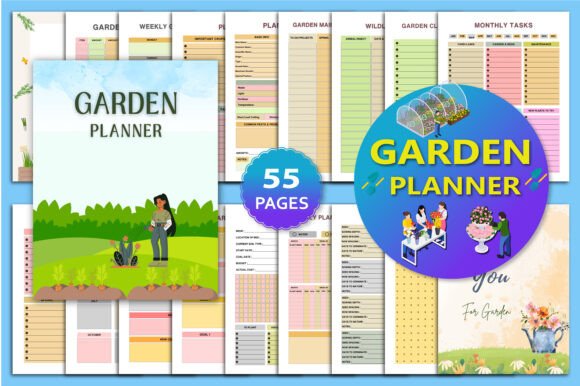
- Plan Seasonally: The Garden Planner Overview includes weekly and monthly layouts that help you map out tasks across the seasons. This ensures you’re always working with the right plants at the right time.
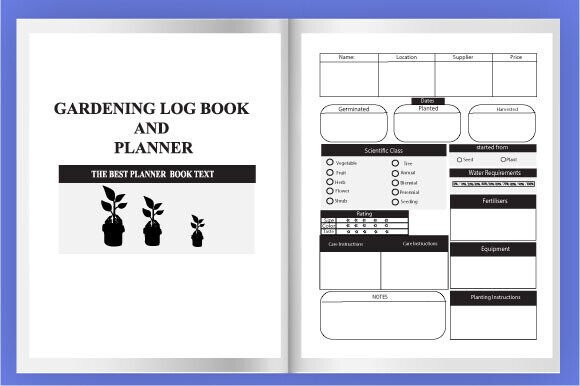
- Track Plant Health: With plant profiles and growth trackers, you can monitor each plant’s development and address any issues early on. This proactive approach minimizes losses and improves overall productivity.
- Optimize Space: The garden layout bed planner helps you visualize how to arrange your garden efficiently. By considering sunlight exposure and crop placement, you can maximize space and improve yields.
- Manage Resources: From soil treatment logs to expense budget trackers, the Garden Planner Overview helps you keep tabs on all your inputs and outputs. This ensures you’re making cost-effective choices and maintaining a healthy garden ecosystem.
When to Use the Garden Planner Overview
The Garden Planner Overview is particularly useful during key moments in the gardening cycle:
- Planning Phase: When deciding which plants to grow, when to sow seeds, and how to structure your garden beds.
- Planting Phase: As you prepare to plant, the planner helps you organize tasks like soil preparation, seed sowing, and tool setup.
- Growth Monitoring Phase: Throughout the growing season, the planner allows you to track plant progress, adjust care routines, and respond to environmental changes.
- Harvest and Storage Phase: When it comes time to harvest, the planner helps you log yields, determine storage methods, and plan for future use.
- Reflection and Improvement Phase: After the growing season, the planner serves as a record for evaluating successes and identifying areas for improvement.
By using the Garden Planner Overview at these critical points, you ensure that your gardening efforts are not only well-organized but also continuously refined based on real-world outcomes.
Considerations Before Relying on the Garden Planner Overview
While the Garden Planner Overview is a powerful tool, it’s important to use it intentionally. Here are some considerations:
- Define Your Goals: Without clear objectives, the planner can become overwhelming. Start by identifying what you want to achieve with your garden.
- Understand Your Environment: The success of your garden depends on factors like climate, soil type, and local pests. Make sure your planning accounts for these variables.
- Stay Flexible: While the planner provides structure, it’s important to remain adaptable. Weather changes, unexpected pests, or shifting priorities may require adjustments to your plan.
- Review Regularly: Don’t wait until the end of the season to review your planner. Regular check-ins allow you to catch issues early and make necessary adjustments.
- Integrate with Other Tools: The Garden Planner Overview works best when used alongside other tools like weather apps, soil test kits, and gardening forums.
Practical Examples of Using the Garden Planner Overview
Let’s look at a few real-world examples of how the Garden Planner Overview can be applied:
Example 1: Planning a Vegetable Garden
- Use the weekly and monthly layouts to plan when to plant each vegetable based on your region’s growing season.
- Log soil tests and amendments in the soil treatment section to ensure optimal conditions for your crops.
- Track watering and fertilizing schedules to maintain consistent plant health.
- Monitor pest activity and record any treatments used to protect your plants.
- After harvest, log yields and usage methods to assess how well your garden met your needs.
Example 2: Creating a Pollinator-Friendly Garden
- Use the plant profiles to select flowers and herbs that attract bees, butterflies, and other pollinators.
- Plan your garden layout to include a mix of flowering plants and native species.
- Track the growth of each plant and note any changes in pollinator activity.
- Record observations about how different plants contribute to biodiversity and ecosystem health.
- Adjust your planting strategy based on seasonal changes and pollinator behavior.
Strategic Observations and Decision-Making Guidance
Using the Garden Planner Overview effectively requires thoughtful decision-making. Here are some strategic observations to consider:
- Long-Term Sustainability: The planner helps you build habits that support long-term sustainability, such as composting, water conservation, and soil health management.
- Efficiency Gains: By tracking expenses and yields, you can identify areas where you can save money or increase productivity.
- Learning Opportunities: Each season offers new lessons. The Garden Planner Overview serves as a learning journal, helping you reflect on what worked and what didn’t.
- Communication and Collaboration: If you’re working with others—whether family members, friends, or a community garden group—the planner can serve as a shared reference point.
- Adaptability: The ability to adapt your plans based on real-time data and feedback is one of the greatest strengths of the Garden Planner Overview.
Risks of Using the Garden Planner Overview Without Clear Goals
While the Garden Planner Overview is a valuable tool, it can also lead to confusion or inefficiency if used without clear goals or context. Some potential risks include:
- Overplanning: Without defined objectives, you may spend too much time planning and not enough time executing.
- Lack of Focus: A cluttered planner can lead to distractions and missed opportunities for meaningful progress.
- Inconsistent Results: Without tracking and evaluation, it’s difficult to know whether your efforts are leading to the desired outcomes.
- Resource Mismanagement: Failing to track expenses and yields can result in wasted resources and financial strain.
- Missed Learning Opportunities: Without reflection, you may miss the chance to learn from past experiences and improve future planning.
To avoid these pitfalls, it’s essential to approach the Garden Planner Overview with intention. Use it as a guide, not a rigid rulebook. Regularly revisit your goals and adjust your approach as needed.
Conclusion
The Garden Planner Overview is a versatile and strategic tool that can significantly enhance your gardening experience. By providing a structured yet flexible framework for planning, tracking, and refining your efforts, it supports better decision-making, improved productivity, and long-term success. Whether you’re growing food, creating beauty, or contributing to ecological balance, the Garden Planner Overview offers the insights and organization you need to thrive.